
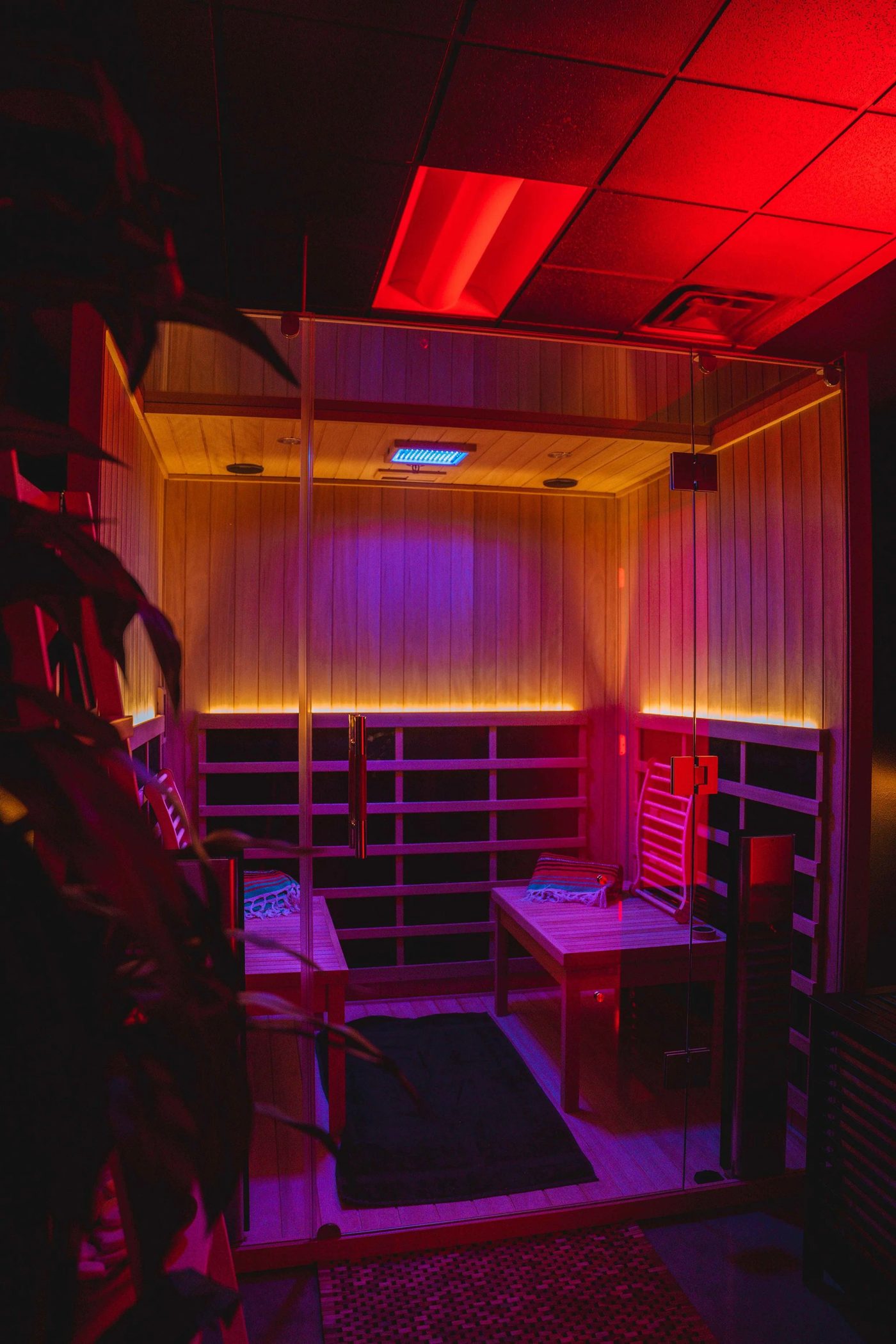
- Cold plunge
- 4 min read
- Updated Oct 10, 2026
What is contrast therapy?
Short answer
Contrast therapy is heat followed by cold on purpose, most often an infrared sauna and then a cold plunge. Heat widens blood vessels, cold narrows them, and the switch acts like a pump for circulation. People use it for soreness, stiffness, energy and a clear head.
How it works
In heat, blood vessels near the skin open and blood flow to the muscles rises. In cold, they clamp down and blood moves to the core. Going from one to the other creates a push and pull that many people feel as lighter, looser limbs afterward.
The second effect is in the nervous system. Heat relaxes; cold sharpens. Doing both in one visit leaves you relaxed and alert at the same time, which is an unusual and very pleasant state.
What people use it for
- Sore muscles after training, a game or a long shift
- Stiff backs, hips and shoulders
- Mild swelling in the legs
- Low energy and foggy afternoons
- Stress, and the wired-but-tired feeling
What the research says, honestly
Studies on contrast water therapy show modest benefits for perceived soreness and recovery after hard exercise, roughly on par with cold immersion alone. Effects on performance are small. Most people do it because of how they feel afterward, which is the point.
Contrast therapy vs cold plunge alone
Cold alone gives you the alertness and the anti-soreness effect. Adding heat first makes the cold easier to enter, loosens tight muscles beforehand and adds the sauna's own benefits: a deep sweat and real relaxation. If you only have time for one, pick the plunge. If you have 50 minutes, do both.
How to do it
- 1
Heat first: 20 to 30 minutes in the infrared sauna.
- 2
A quick shower, so the plunge water stays clean.
- 3
Then cold: 2 to 4 minutes in 41°F water with steady breathing.
- 4
Rewarm naturally for 10 minutes. The plunge is your finish.
At Revive
At Revive this is the Sauna + Cold Plunge visit: 50 minutes, one pass, with a coach at the plunge. Our saunas stay completely dry inside, so nobody heads back in after plunging.
Not medical advice. If you are injured, pregnant or have a health condition, check with your doctor first.
Put it to use
Book it at Revive
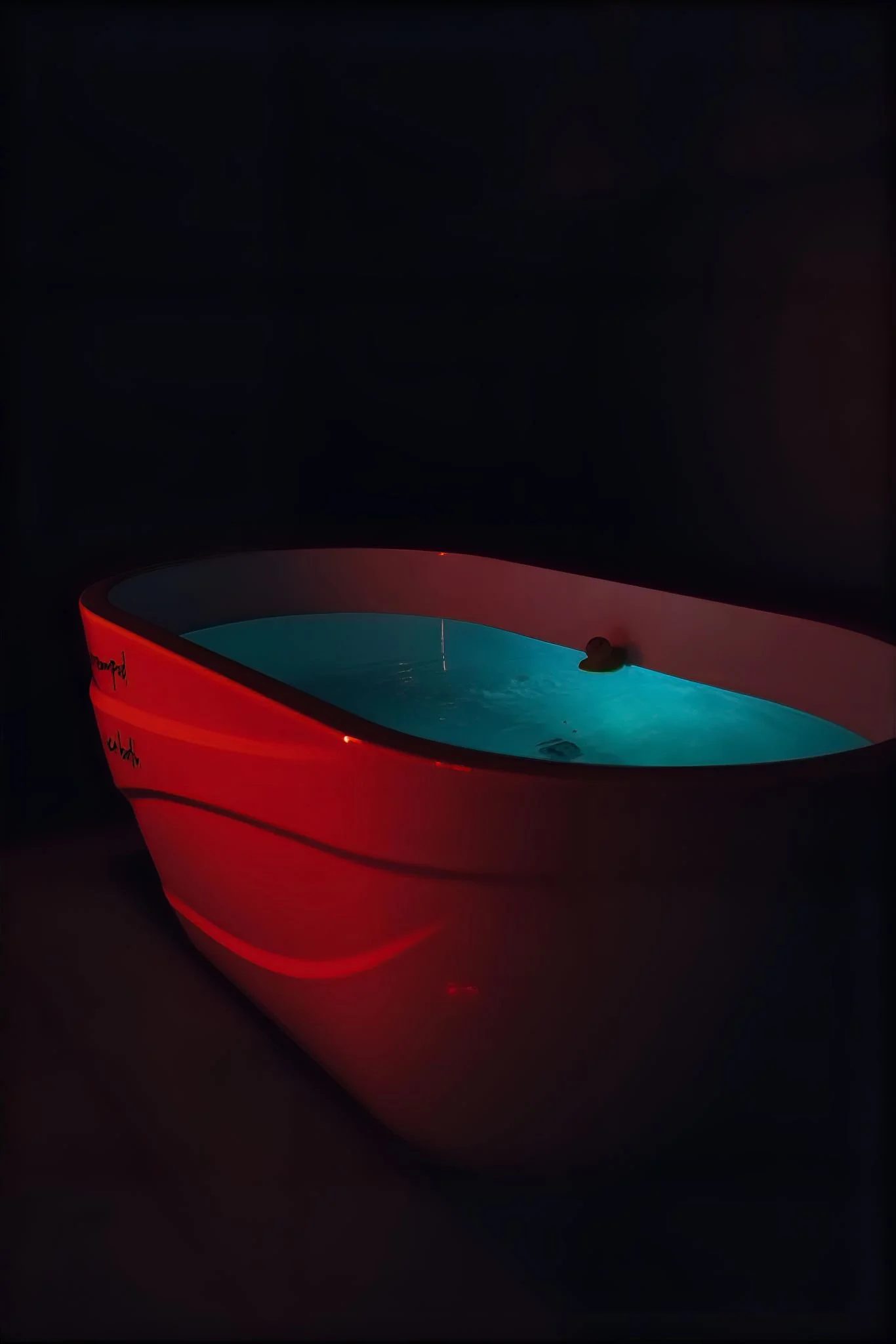
Sauna + Cold Plunge
Thirty minutes of infrared heat, a quick shower, then a coached plunge in 41°F water. The most popular combo at Revive, and simpler than booking both.
Learn more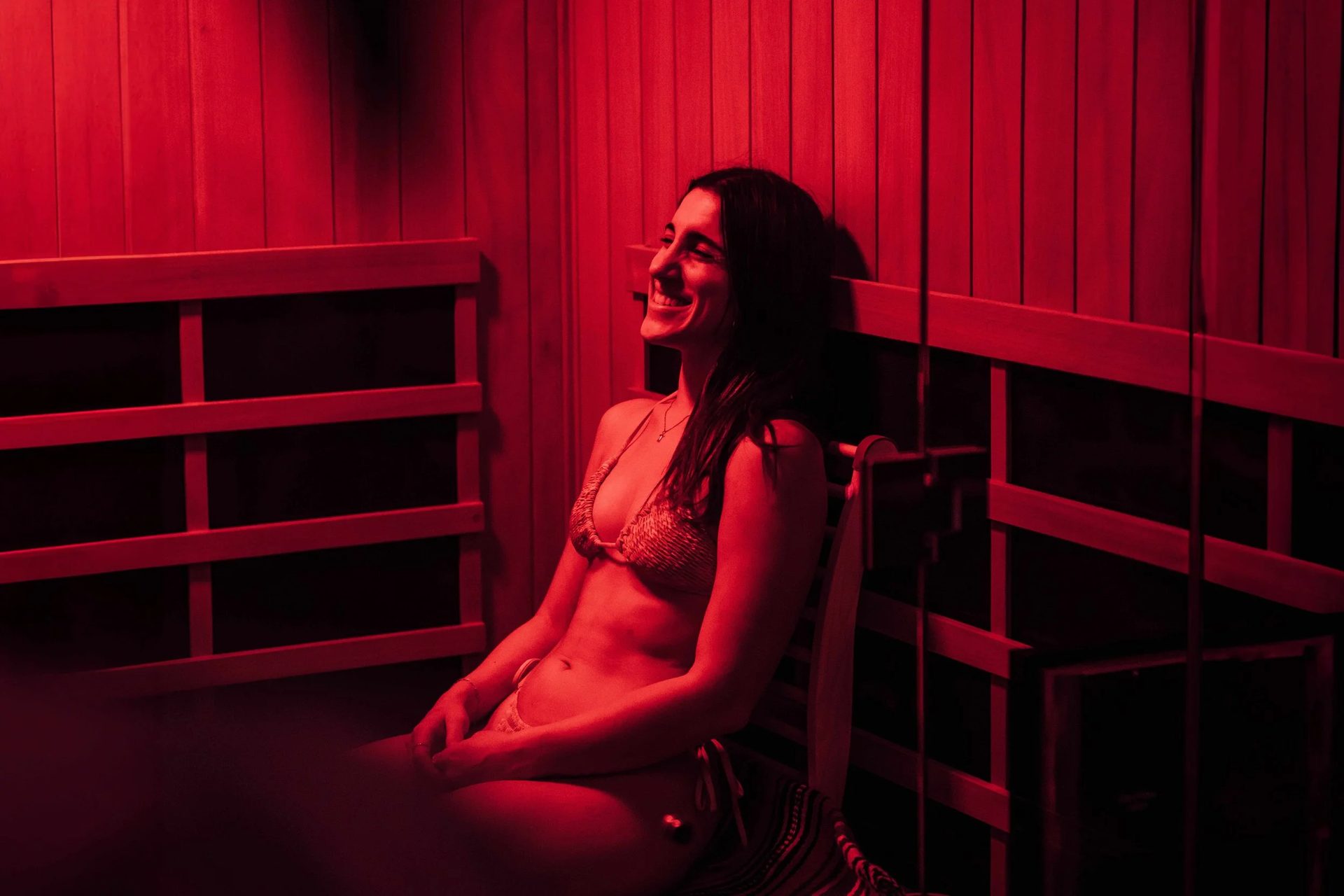
Infrared Sauna
A clean, private sauna of deep, gentle heat with color-light therapy. Easier to breathe than a traditional sauna.
Learn moreCold Plunge
A dip in brisk 41°F water, at your pace. Go coached or solo. Either way, a team member is right there if you want a hand with your breathing.
Learn more
Good to know
Related questions
Keep reading
Related guides
- Cold plunge4 min
Sauna first or cold plunge first?
Sauna first, then a quick shower, then the cold plunge. Heat warms the muscles and makes the cold easier to enter, and finishing cold leaves you alert and clear for hours. At Revive it is always this order, in one pass: our infrared saunas stay completely dry inside, so nobody goes back in after plunging.
Read the answer - Soreness and injuries4 min
Heat or ice for sore muscles? A simple rule
Cold for anything new, hot and swollen (the first 48 hours after a tweak or sprain). Heat for stiffness, tightness and old aches without swelling. For normal post-workout soreness, either works: cold if you want less soreness tomorrow, heat if you want to feel loose tonight, or both with contrast therapy.
Read the answer - Cold plunge4 min
How long should you stay in a cold plunge?
Start with one to two minutes. Most regulars settle at two to five minutes in 41°F water, and about 11 minutes total per week across sessions is plenty. At Revive, six minutes earns your spot in the 6-Minute Club.
Read the answer
Still have a question?
Text us. A real person answers, and we will tell you honestly what to book.