
- Soreness and injuries
- 4 min read
- Updated Oct 10, 2026
Heat or ice for sore muscles? A simple rule
Short answer
Cold for anything new, hot and swollen (the first 48 hours after a tweak or sprain). Heat for stiffness, tightness and old aches without swelling. For normal post-workout soreness, either works: cold if you want less soreness tomorrow, heat if you want to feel loose tonight, or both with contrast therapy.
Cold: when and why
Cold narrows blood vessels, slows swelling and numbs pain. Use it in the first 24 to 48 hours after a sprain, a strain, a rolled ankle or any spot that is warm and puffy.
- Targeted cryo on the exact spot: 5 to 10 minutes
- Cold plunge for whole-body soreness: 2 to 4 minutes
- Avoid cold on a stiff, cold muscle you are about to use
Heat: when and why
Heat widens blood vessels, relaxes muscle and makes tissue more stretchy. Use it for stiffness, tightness, chronic aches and the day-after heaviness that has no swelling.
- Infrared sauna for the whole body: 30 minutes
- Heat before stretching or a massage, not after a fresh injury
- Avoid heat on anything swollen in the first two days
Sore after a workout (DOMS)
That deep ache 24 to 72 hours after a hard session is not an injury; it is muscle repairing. Both heat and cold help you feel better, in different ways.
- Cold plunge: less soreness and swelling tomorrow. Best after runs, games and long days on your feet.
- Infrared sauna: feels looser tonight and sleeps better. Best after lifting and on rest days.
- Compression: flushes heavy legs without heat or cold. Good any day.
- Contrast (sauna then plunge): the full reset when you have 50 minutes.
At Revive
Unsure? Text us how you feel and we will tell you what to book. That is literally the job.
The exceptions
- Lifting for muscle size: skip the cold plunge for four to six hours after the session.
- Numbness, tingling or weakness: that is a nerve, not a muscle. See a doctor.
- Pain that wakes you at night or does not improve in a week: see a doctor.
- Diabetes or poor circulation: ask your doctor before heat or cold.
Quick reference
- Rolled ankle yesterday: targeted cryo, compression, elevate.
- Tight hamstrings for months: infrared sauna, then stretch, then massage.
- Legs dead after a long run: compression, then cold plunge.
- Stiff lower back in the morning: sauna. Add PEMF if it is a long-term ache.
- Sore everywhere after a tournament: sauna, then plunge.
Not medical advice. If you are injured, pregnant or have a health condition, check with your doctor first.
Put it to use
Book it at Revive
Cold Plunge
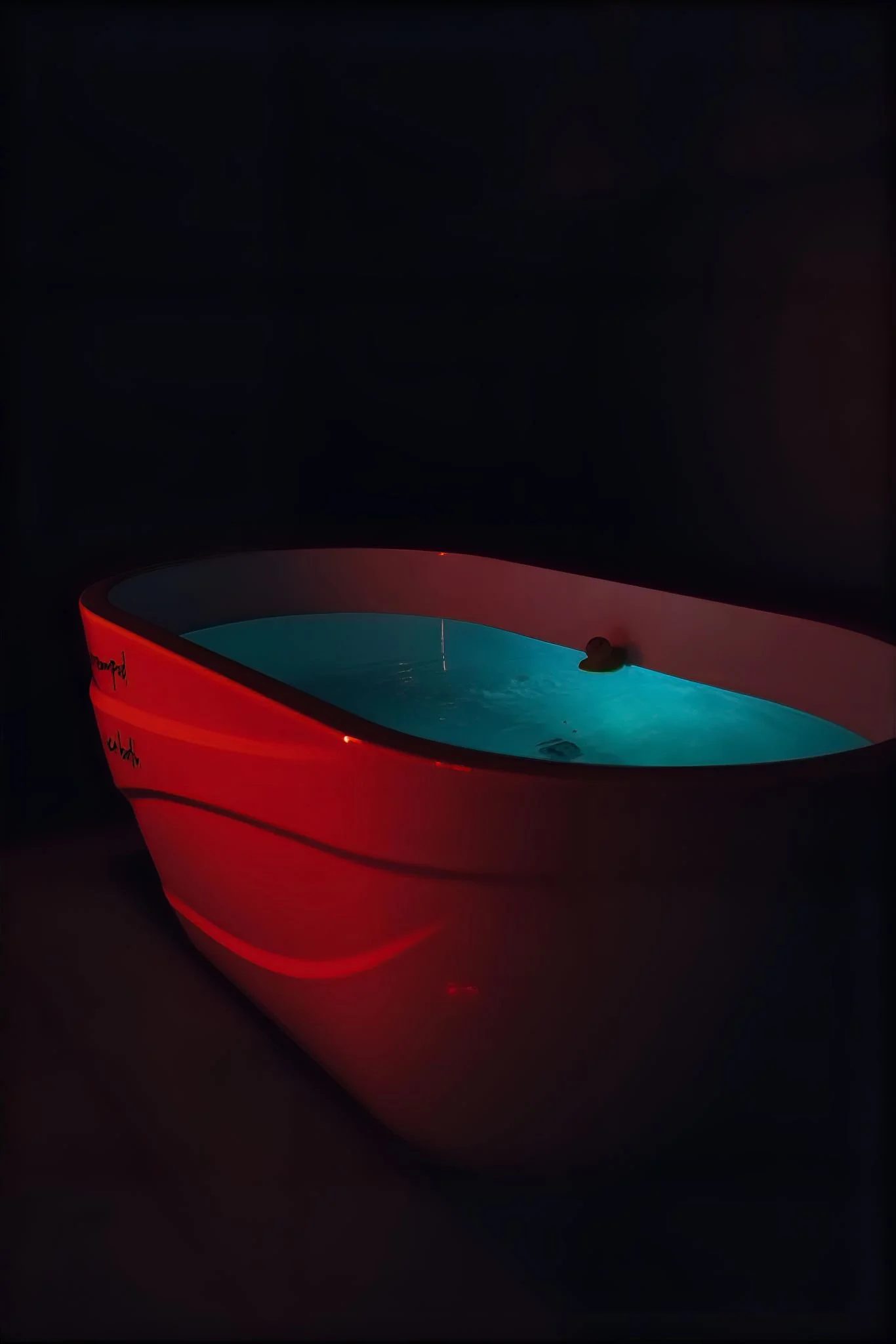
A dip in brisk 41°F water, at your pace. Go coached or solo. Either way, a team member is right there if you want a hand with your breathing.
Learn more
Infrared Sauna
A clean, private sauna of deep, gentle heat with color-light therapy. Easier to breathe than a traditional sauna.
Learn moreCompression Therapy
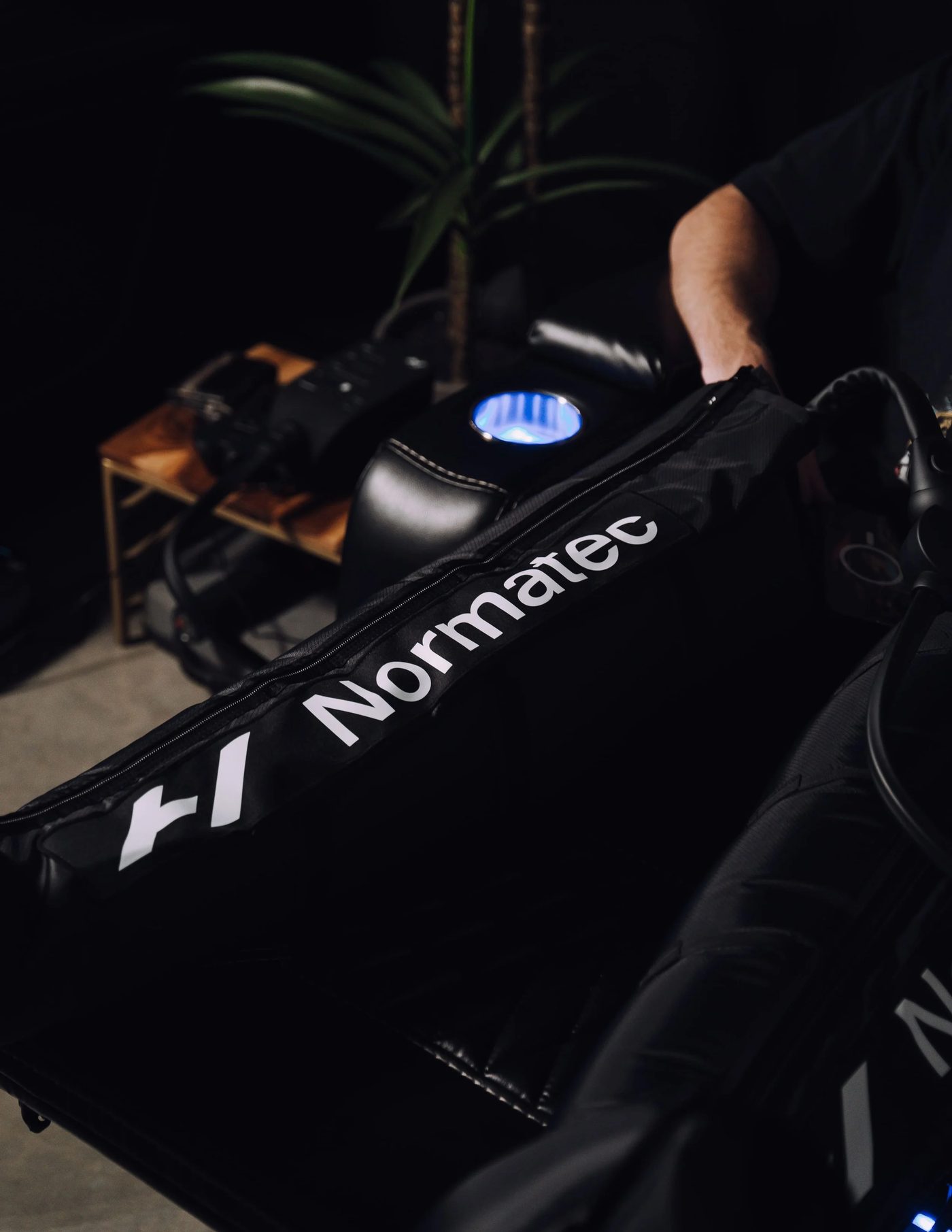
Normatec sleeves squeeze and release in waves while you sit back in a comfy chair. Think of it as a massage that flushes heavy, tired limbs.
Learn more
Good to know
Related questions
Keep reading
Related guides
- Soreness and injuries5 min
Pulled hamstring: what actually helps in the first week
Days one and two: rest it, cool it and compress it. Days three to seven: gentle, pain-free movement, light heat before moving, and keep the compression going. Massage and stretching come after the first week. If you felt a pop, cannot walk normally, or see heavy bruising, have a doctor look at it first.
Read the answer - Cold plunge4 min
What is contrast therapy?
Contrast therapy is heat followed by cold on purpose, most often an infrared sauna and then a cold plunge. Heat widens blood vessels, cold narrows them, and the switch acts like a pump for circulation. People use it for soreness, stiffness, energy and a clear head.
Read the answer - How it works4 min
What is compression therapy, and what does it feel like?
Compression therapy is 30 minutes in air-filled sleeves (ours are Normatec) that inflate from your feet up in slow waves, then release. It feels like a firm, rhythmic massage. People use it for heavy legs, swelling, soreness after training and long days on their feet.
Read the answer
Still have a question?
Text us. A real person answers, and we will tell you honestly what to book.