
- Soreness and injuries
- 5 min read
- Updated Oct 8, 2026
Pulled hamstring: what actually helps in the first week
Short answer
Days one and two: rest it, cool it and compress it. Days three to seven: gentle, pain-free movement, light heat before moving, and keep the compression going. Massage and stretching come after the first week. If you felt a pop, cannot walk normally, or see heavy bruising, have a doctor look at it first.
First, how bad is it?
Hamstring strains come in grades. A grade 1 is a tweak: tight and sore, but you can still walk fine. A grade 2 hurts to walk and may bruise within a day or two. A grade 3 is a tear: often a pop, a lot of bruising, and real trouble walking.
- Grade 1: this guide is for you.
- Grade 2: see a doctor or physical therapist this week, and use this guide alongside their plan.
- Grade 3: doctor first. Today.
Days 1 to 2: calm it down
- 1
Stop the activity. Walking is fine; sprinting, kicking and stretching are not.
- 2
Cold on the spot: targeted cryo or an ice pack, 10 minutes, a few times a day.
- 3
Compression: a sleeve, or 30 minutes of pneumatic compression on the legs.
- 4
Elevate when you are sitting.
- 5
No heat, no sauna, no deep massage, no stretching yet. They all push blood into a tissue that is already leaking.
At Revive
At Revive: targeted cryo on the hamstring, then compression on the legs. Thirty minutes, done.
Days 3 to 7: start moving
Once the sharp pain fades and nothing is swelling anymore, gentle movement is what heals muscle. Rest beyond this point slows you down.
- 1
Walk daily, a little further each day.
- 2
Easy, pain-free range of motion: slow leg swings, a light spin on a bike.
- 3
Short heat before moving (a 15-minute infrared sauna, or a warm pack) once the swelling is gone.
- 4
Compression after activity to flush the leg.
- 5
Red light on the spot: 20 minutes, a few times this week. Early evidence suggests it supports tissue repair and eases soreness, and it is gentle.
Week 2 and beyond
Add light strengthening (bridges, slow hamstring curls), then gentle stretching, then massage. Build toward jogging only when walking fast is painless. Sprinting, cutting and kicking come last, usually three to six weeks for a mild strain. Rushing this step is how hamstrings become a recurring problem.
For parents of young athletes
Teen hamstrings heal fast if they are given the first week. The hard part is keeping a 16-year-old off the field for seven days. A visit to a recovery studio makes the week feel productive instead of punishing, and it teaches the habit of looking after the body.
At Revive
Text us. We will book a short, athlete-friendly visit and keep it simple: cryo, compression, out the door.
See a doctor if
- You felt or heard a pop
- You cannot walk normally after two days
- There is heavy bruising or a visible dent in the muscle
- Pain is not improving after a week
- Numbness or tingling down the leg
Not medical advice. If you are injured, pregnant or have a health condition, check with your doctor first.
Put it to use
Book it at Revive
Targeted Cryotherapy
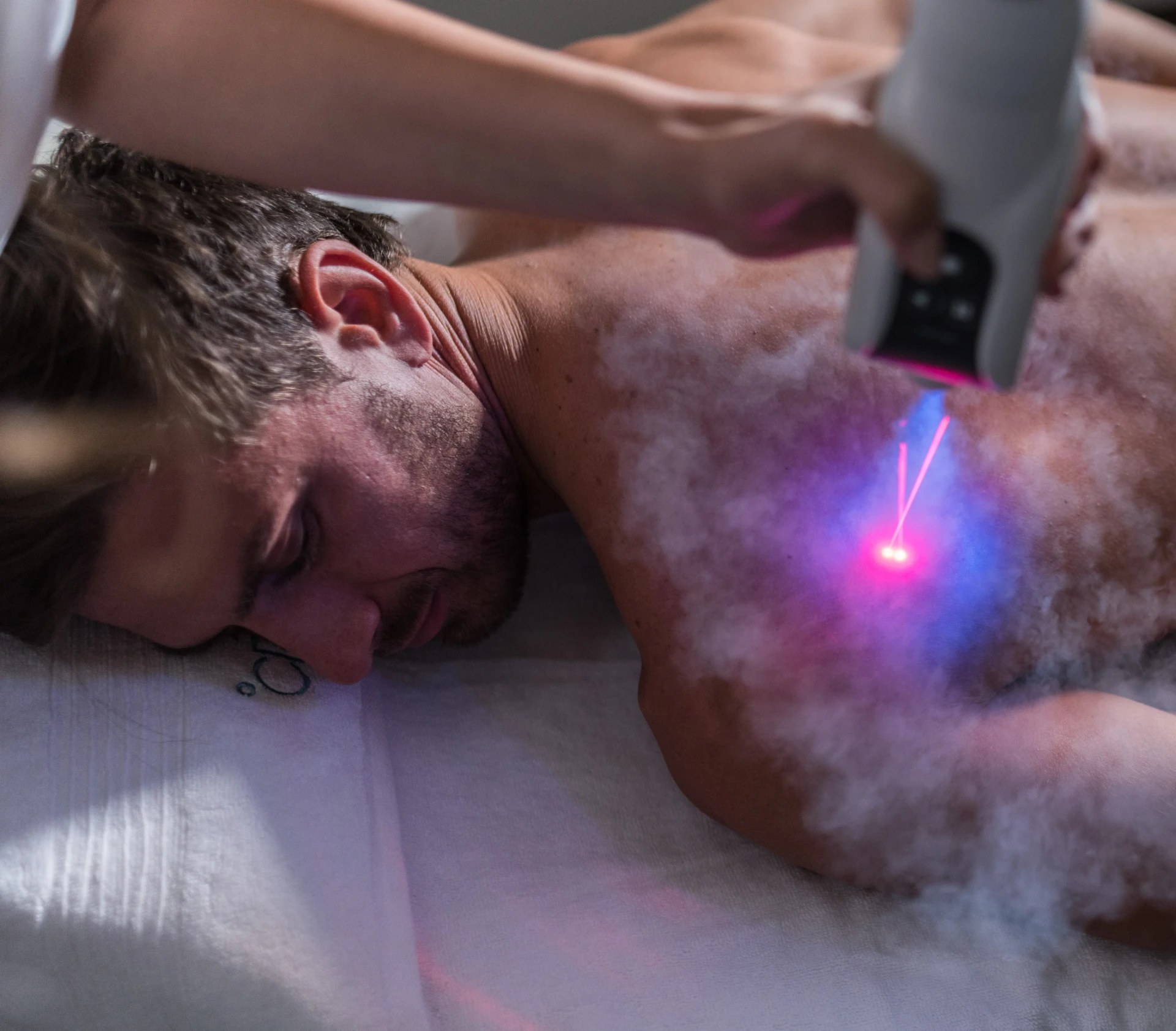
A precise, high-tech ice pack for one spot: a knee, shoulder or hamstring. In and out in minutes.
Learn more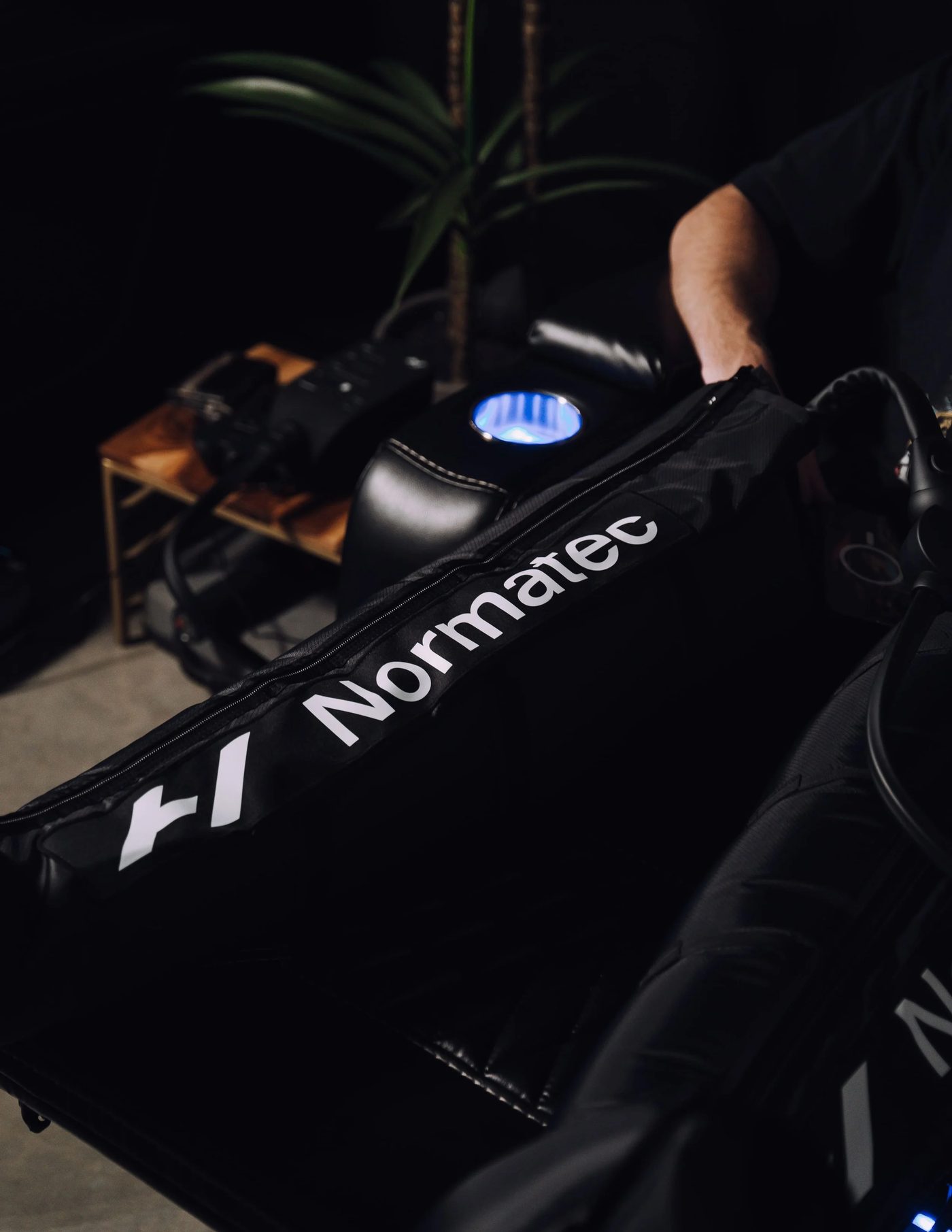
Compression Therapy
Normatec sleeves squeeze and release in waves while you sit back in a comfy chair. Think of it as a massage that flushes heavy, tired limbs.
Learn more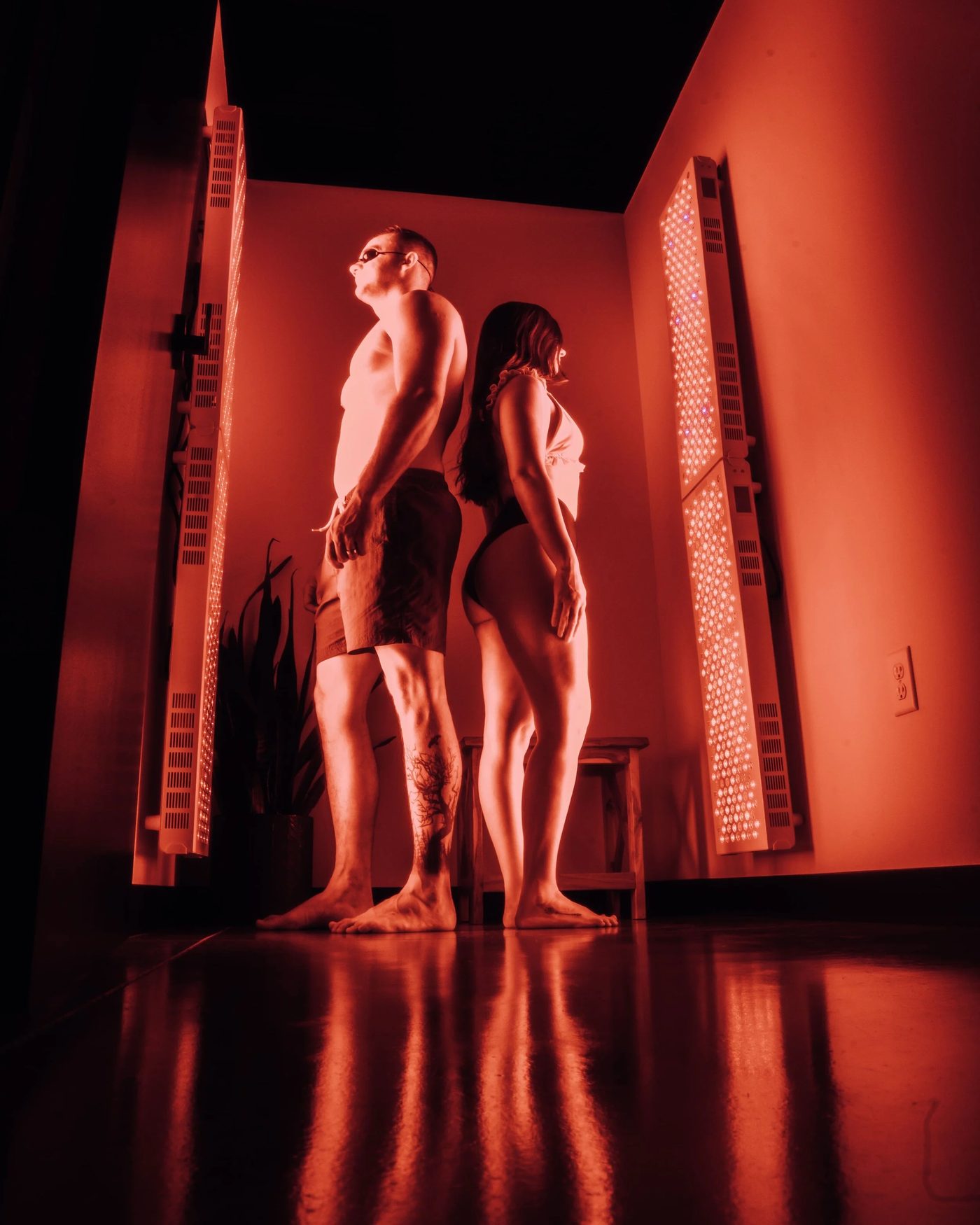
Red Light Therapy
Twenty minutes in front of a red and near-infrared panel. No heat, no UV, just the wavelengths your cells use to repair.
Learn more
Good to know
Related questions
Keep reading
Related guides
- Soreness and injuries4 min
Heat or ice for sore muscles? A simple rule
Cold for anything new, hot and swollen (the first 48 hours after a tweak or sprain). Heat for stiffness, tightness and old aches without swelling. For normal post-workout soreness, either works: cold if you want less soreness tomorrow, heat if you want to feel loose tonight, or both with contrast therapy.
Read the answer - How it works4 min
What is compression therapy, and what does it feel like?
Compression therapy is 30 minutes in air-filled sleeves (ours are Normatec) that inflate from your feet up in slow waves, then release. It feels like a firm, rhythmic massage. People use it for heavy legs, swelling, soreness after training and long days on their feet.
Read the answer - Cold plunge4 min
Who should check with a doctor before a cold plunge?
Ask your doctor first if you are pregnant, have a heart condition or uncontrolled high blood pressure, have Raynaud's, are recovering from surgery, or have a seizure disorder. Healthy adults can plunge safely with a coach. When in doubt, ask; a two-minute phone call is cheaper than a bad day.
Read the answer
Still have a question?
Text us. A real person answers, and we will tell you honestly what to book.