
- How it works
- 4 min read
- Updated Oct 8, 2026
What is PEMF therapy, in plain English
Short answer
PEMF stands for pulsed electromagnetic field. You lie on a mat that pulses low-frequency magnetic fields through your body for 20 minutes. You do not feel the pulses; you feel warmth and deep relaxation. People use it for chronic aches, stiffness, stress and sleep. Skip it if you have a pacemaker or are pregnant.
What is actually happening
The mat contains coils that create brief magnetic pulses at low frequencies, in a similar range to the body's own electrical signals. The idea is that these pulses nudge cells to move ions more efficiently, which supports circulation and the processes cells use to repair. You cannot feel a magnetic field, which is why the experience is so quiet.
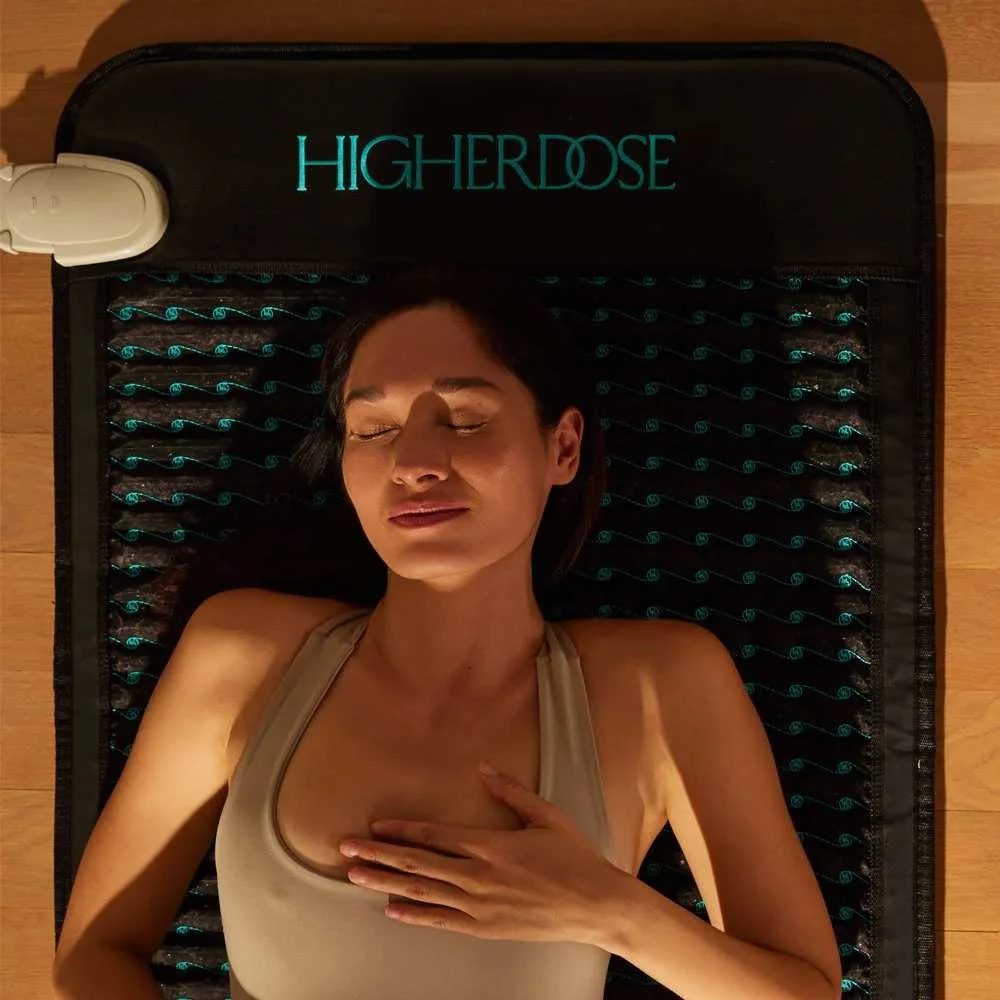
Our mat is a HigherDOSE Infrared PEMF mat. It layers gentle infrared heat and a crystal surface on top of the PEMF coils, so the session feels like lying on a warm stone in the sun.
What a session is like
- 1
Lie down on the mat, fully clothed, with a towel if you like.
- 2
We set the PEMF level and the heat. Lower is better the first time.
- 3
Twenty minutes of nothing. Most people drift.
- 4
Stand up slowly. Legs feel warm and loose.
- Add BrainTap for a light-and-sound session at the same time.
What people use it for
- Long-term aches: low back, hips, knees, old injuries
- Stiffness in the morning or after sitting all day
- Stress and the wired feeling that will not switch off
- Trouble falling asleep
- Recovery days when heat or cold feels like too much
What the evidence says, honestly
PEMF has the strongest evidence for helping bone fractures heal; devices for that are FDA-cleared. For chronic pain, especially knee arthritis and low back pain, several studies show modest improvement. For sleep, stress and general recovery the research is thinner, and most of what we know is what regulars tell us: they feel calmer and sleep better that night. Treat it as a relaxing tool, not a treatment.
Who should skip it
- Anyone with a pacemaker, defibrillator, insulin pump or other implanted electronics
- Pregnancy
- Active bleeding or a recent organ transplant
- Epilepsy: ask your doctor
At Revive
We will ask about implants before every first session. Please tell us.
PEMF vs red light vs infrared
Infrared is heat you feel. Red light is light your cells absorb through the skin. PEMF is a magnetic field that passes through everything. They work on different layers, which is why some people stack them: PEMF for the deep ache, red light for the skin and joints, sauna for the whole body.
Not medical advice. If you are injured, pregnant or have a health condition, check with your doctor first.
Put it to use
Book it at Revive
PEMF Mat
Lie on a warm HigherDOSE mat that pulses gentle electromagnetic waves through the body. Most people simply feel deeply relaxed.
Learn more
BrainTap
A light-and-sound headset session that walks your brain into a calm, focused state. Add it to compression or PEMF.
Learn more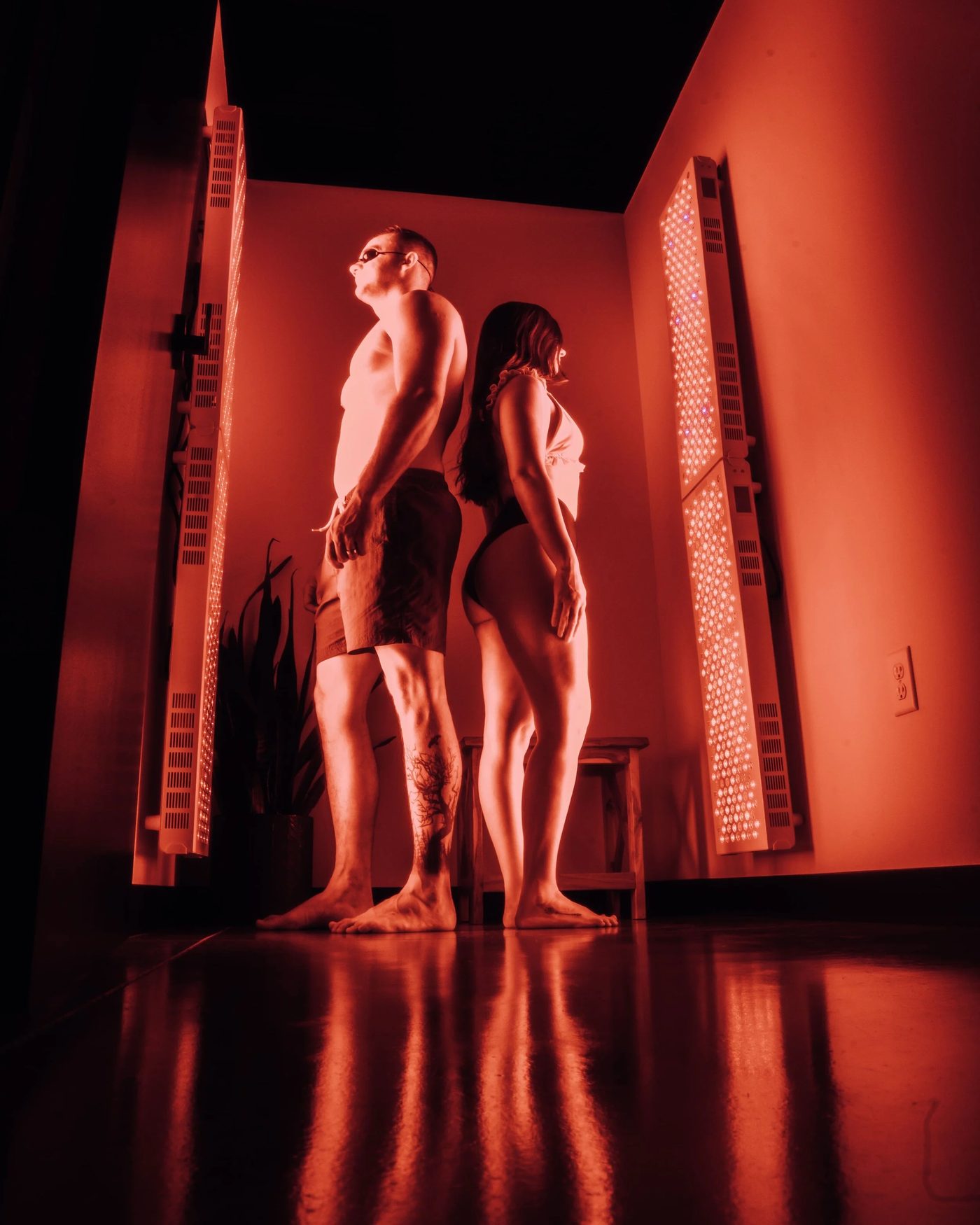
Red Light Therapy
Twenty minutes in front of a red and near-infrared panel. No heat, no UV, just the wavelengths your cells use to repair.
Learn more
Good to know
Related questions
Keep reading
Related guides
- How it works4 min
What is compression therapy, and what does it feel like?
Compression therapy is 30 minutes in air-filled sleeves (ours are Normatec) that inflate from your feet up in slow waves, then release. It feels like a firm, rhythmic massage. People use it for heavy legs, swelling, soreness after training and long days on their feet.
Read the answer - Soreness and injuries4 min
Heat or ice for sore muscles? A simple rule
Cold for anything new, hot and swollen (the first 48 hours after a tweak or sprain). Heat for stiffness, tightness and old aches without swelling. For normal post-workout soreness, either works: cold if you want less soreness tomorrow, heat if you want to feel loose tonight, or both with contrast therapy.
Read the answer - Infrared sauna4 min
Infrared sauna vs traditional sauna: which should you book?
A traditional sauna heats the air to 170 to 200°F and you absorb heat from it. An infrared sauna uses light to warm your body directly at a gentler 120 to 150°F, so you can stay longer and sweat just as much. Both are good for you; infrared is easier for most people to actually enjoy for 30 minutes.
Read the answer
Still have a question?
Text us. A real person answers, and we will tell you honestly what to book.