
- How it works
- 4 min read
- Updated Oct 8, 2026
How often should you do red light therapy?
Short answer
For most goals, three to five sessions a week for the first four to eight weeks, 10 to 20 minutes each, then one or two sessions a week to maintain. Red light works through small, repeated doses; a long session once a month does little. Consistency over six weeks is what produces visible change.
Why frequency matters more than length
Red and near-infrared light is absorbed by cells a few millimeters into the skin, where it nudges energy production and circulation. The response is small per session and builds with repetition, which is why research protocols stack sessions over weeks rather than running one long exposure.
Past about 20 minutes in front of a strong panel, the extra light does not add benefit. Think of it like watering a plant: often and in reasonable amounts.
How often, by goal
- Skin tone, fine lines, texture: 3 to 5 times a week for 8 to 12 weeks, then 2 a week. Skin cells turn over slowly, so give it time.
- Sore muscles after training: within a few hours of the workout, 2 to 4 times a week. Many people notice less next-day soreness within a week or two.
- Achy joints and stiffness: 3 to 5 times a week for 4 to 6 weeks, then as needed. Pair it with heat.
- Sleep and mood: 3 or more evenings a week. Red light in the evening is gentle on your body clock, unlike blue screens.
- Maintenance for anything: 1 to 2 sessions a week keeps results without a big time cost.
How long until you notice something
Muscle and joint relief is the fastest, often within one to three weeks of regular sessions. Skin is the slowest; plan on six weeks before you compare photos and twelve before you judge.
Keep a simple log: date, minutes, how you felt. It makes the slow wins visible.
Can you do too much?
Red light does not burn or tan, and there is no UV. Overdoing it mostly wastes time; some people feel mild tightness in the skin or a headache if they stare at the panel. Keep sessions to 20 minutes, protect your eyes if the light feels too bright, and skip it if you take medication that makes you light-sensitive until you ask your doctor.
At Revive
Revive's full-body panels run 20 minutes per session, and a Core Service Pack brings the per-session price down, which fits the three-a-week start most people need.
Not medical advice. If you are injured, pregnant or have a health condition, check with your doctor first.
Put it to use
Book it at Revive
Red Light Therapy
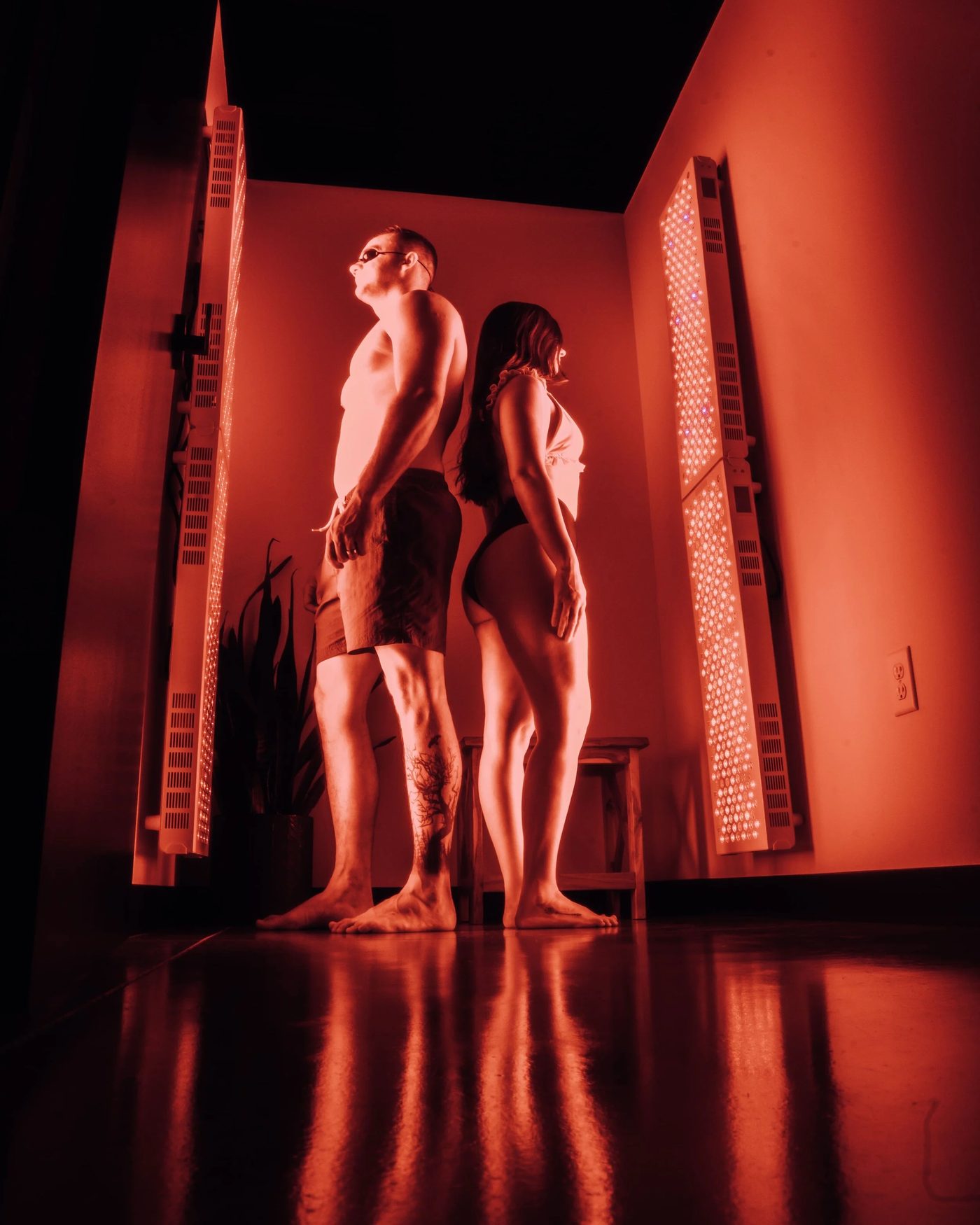
Twenty minutes in front of a red and near-infrared panel. No heat, no UV, just the wavelengths your cells use to repair.
Learn more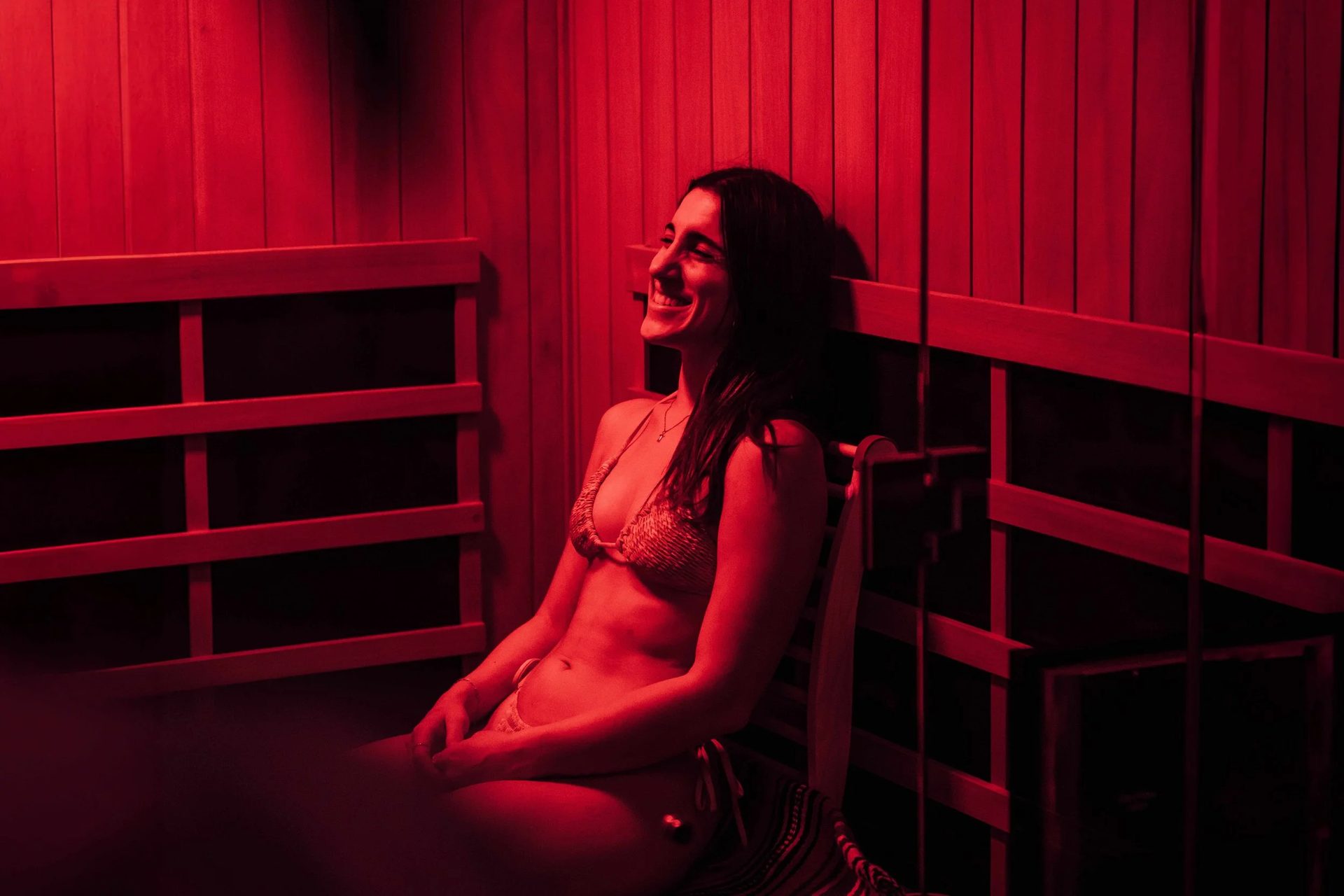
Infrared Sauna
A clean, private sauna of deep, gentle heat with color-light therapy. Easier to breathe than a traditional sauna.
Learn more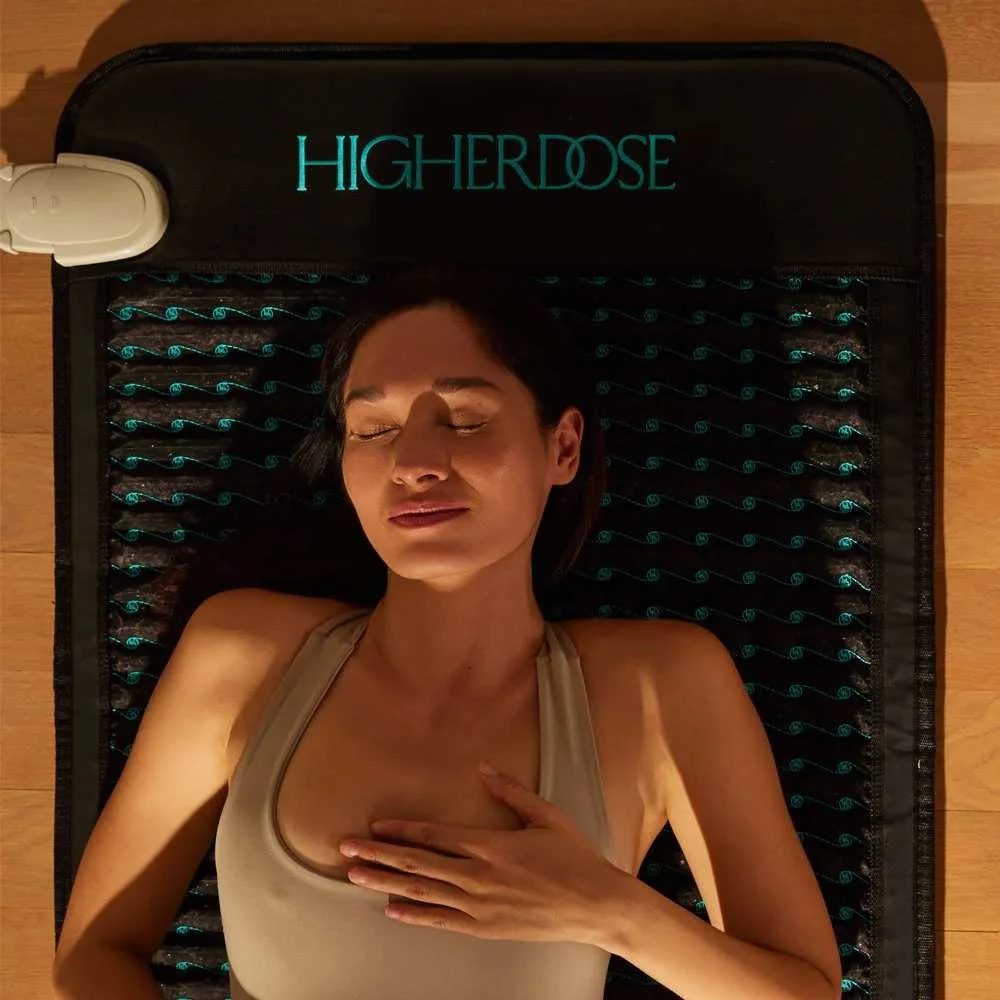
PEMF Mat
Lie on a warm HigherDOSE mat that pulses gentle electromagnetic waves through the body. Most people simply feel deeply relaxed.
Learn more
Good to know
Related questions
Keep reading
Related guides
- How it works4 min
What is PEMF therapy, in plain English
PEMF stands for pulsed electromagnetic field. You lie on a mat that pulses low-frequency magnetic fields through your body for 20 minutes. You do not feel the pulses; you feel warmth and deep relaxation. People use it for chronic aches, stiffness, stress and sleep. Skip it if you have a pacemaker or are pregnant.
Read the answer - Infrared sauna4 min
Infrared sauna vs traditional sauna: which should you book?
A traditional sauna heats the air to 170 to 200°F and you absorb heat from it. An infrared sauna uses light to warm your body directly at a gentler 120 to 150°F, so you can stay longer and sweat just as much. Both are good for you; infrared is easier for most people to actually enjoy for 30 minutes.
Read the answer - Soreness and injuries4 min
Heat or ice for sore muscles? A simple rule
Cold for anything new, hot and swollen (the first 48 hours after a tweak or sprain). Heat for stiffness, tightness and old aches without swelling. For normal post-workout soreness, either works: cold if you want less soreness tomorrow, heat if you want to feel loose tonight, or both with contrast therapy.
Read the answer
Still have a question?
Text us. A real person answers, and we will tell you honestly what to book.